Jason Arday Obituary: Former Cambridge Professor and British Sociologist Dies at 41
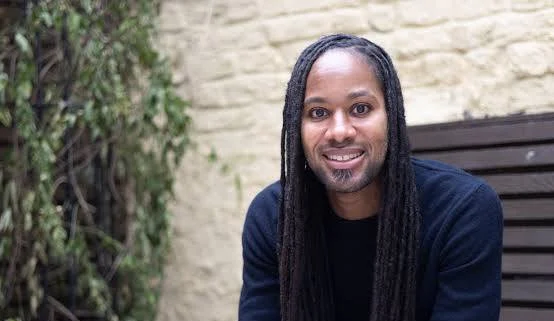
Jason Arday Obituary, LONDON, England — Jason Arday, a British sociologist and former University of Cambridge professor whose remarkable journey through academia made him a prominent figure in British higher education, has died at the age of 41.
Arday was found dead at a residence in Battersea, south London, on Friday, August 14, 2026. Emergency services were called shortly after 3 p.m., but he was pronounced dead at the scene.
According to the information available, the Metropolitan Police is treating his death as unexpected but not suspicious. His next of kin have been informed, and a report is expected to be prepared for the coroner.
Arday’s sudden death comes during an especially turbulent period in his professional life, just days after he resigned from his position at the University of Cambridge amid an investigation into allegations concerning aspects of his academic work and qualifications.
Who Was Jason Arday?
Born in London in 1985 to Ghanaian parents, Jason Arday built an academic career that eventually took him to one of the world’s most recognized universities.
His early life had been widely presented as an extraordinary story of overcoming significant developmental and educational challenges.
According to biographical information previously published by Cambridge, Arday was diagnosed with autism and global developmental delay during childhood. He reportedly did not speak until he was 11 and did not learn to read and write until he was 18.
Despite those challenges, he pursued higher education and eventually completed a doctorate in education at Liverpool John Moores University.
His journey into academia would later become an important part of his public profile.
Jason Arday’s Academic Career
Arday’s research focused on several major issues affecting education and society, particularly race, inequality, higher education, neurodiversity, mental health and representation.
Before arriving at Cambridge, he held academic positions at Durham University and the University of Glasgow.
His work frequently explored the experiences of Black students and academics within higher education, alongside questions concerning structural inequality and inclusion within universities.
Arday also became involved with organizations and professional bodies connected to those issues, including the Runnymede Trust and British Sociological Association.
His academic profile continued to grow, eventually leading to the appointment for which he became particularly well known.
Historic University of Cambridge Appointment
In March 2023, Arday joined the University of Cambridge Faculty of Education as Professor of Sociology of Education.
The appointment received considerable media attention.
At 37, Cambridge described Arday as the youngest Black person ever appointed to a professorship at the university, making his appointment a significant milestone for representation within the institution.
His arrival at Cambridge was celebrated as the culmination of an unusual academic journey and an example of overcoming substantial educational challenges.
Through his research and public work, Arday continued addressing subjects including racial inequality, intersectionality, mental health, neurodiversity and the experiences of marginalized groups within education.
Controversy Before Jason Arday’s Death
The final months of Arday’s career were overshadowed by significant controversy surrounding his academic record.
Questions were raised concerning passages contained in his doctoral thesis and other aspects of his academic work and qualifications.
The University of Cambridge subsequently announced an investigation into the allegations.
Arday denied intentional wrongdoing and challenged suggestions surrounding some of the claims made against him.
The controversy ultimately led to his departure from Cambridge.
Jason Arday Resigned From Cambridge on August 5
Arday resigned from his Cambridge position on August 5, 2026, just nine days before his death.
In explaining his departure, he indicated that leaving his position was the only way to bring what had become an extremely difficult period to an end.
He also maintained that his resignation should not be interpreted as an admission or acceptance of the allegations and narratives surrounding the controversy.
Cambridge subsequently announced plans for an independent investigation into circumstances surrounding his appointment, alongside a review of procedures used for senior academic appointments.
Those matters formed the backdrop to the final days of Arday’s life but should remain separate from conclusions concerning his death unless evidence establishes otherwise.
Jason Arday Cause of Death
At this time, Jason Arday’s cause of death has not been publicly confirmed.
Police have described his death as unexpected but said it is not being treated as suspicious based on the information currently available.
The matter is expected to be referred to the coroner, who may provide further information concerning the medical cause and circumstances of his death.
Until those findings become available, speculation about what caused Arday’s death should be avoided.
In particular, there is currently no established basis in the information available to attribute his death to the controversy surrounding his academic career.
Remembering Jason Arday’s Academic Journey
Arday’s death brings a sudden end to a career that attracted both considerable admiration and, during its final period, intense scrutiny.
His journey from significant childhood developmental and educational difficulties to becoming a professor at Cambridge captured international attention.
His research also contributed to ongoing conversations concerning race, representation, inequality and inclusion within British higher education.
The controversy surrounding his academic work became an important and unresolved part of the final chapter of his professional career. However, it does not erase the broader story of a life and career that generated significant discussion about education, disability, race and access to academia.
Family, Friends and Colleagues Face Sudden Loss
Beyond his public and academic profile, Arday’s death represents a personal loss for his family, friends, colleagues and others who knew him outside the debates surrounding his professional career.
His next of kin have been informed of his death.
Information concerning funeral arrangements, memorial services or a formal family tribute has not been provided in the details currently available.
Those arrangements should be confirmed through his family or other authorized representatives when announced.
Jason Arday died at 41 following an academic career that took him from considerable educational challenges during childhood to a historic professorship at the University of Cambridge. His work on race, inequality, education and representation, together with the extraordinary trajectory and later controversy surrounding his career, will remain part of the complex legacy he leaves behind.
Condolences are extended to his family, friends, colleagues and everyone mourning his sudden passing.
Disclaimer
This obituary is based on information available at the time of publication. Jason Arday’s cause of death has not been publicly confirmed, and police have described his death as unexpected but not suspicious. No connection should be assumed between his death and the recent controversy surrounding his academic career without verified evidence. Details concerning the circumstances of his death, the ongoing academic investigations, funeral arrangements and memorial services may be updated as additional information is officially released.